
Types of Vegan Cheese Used
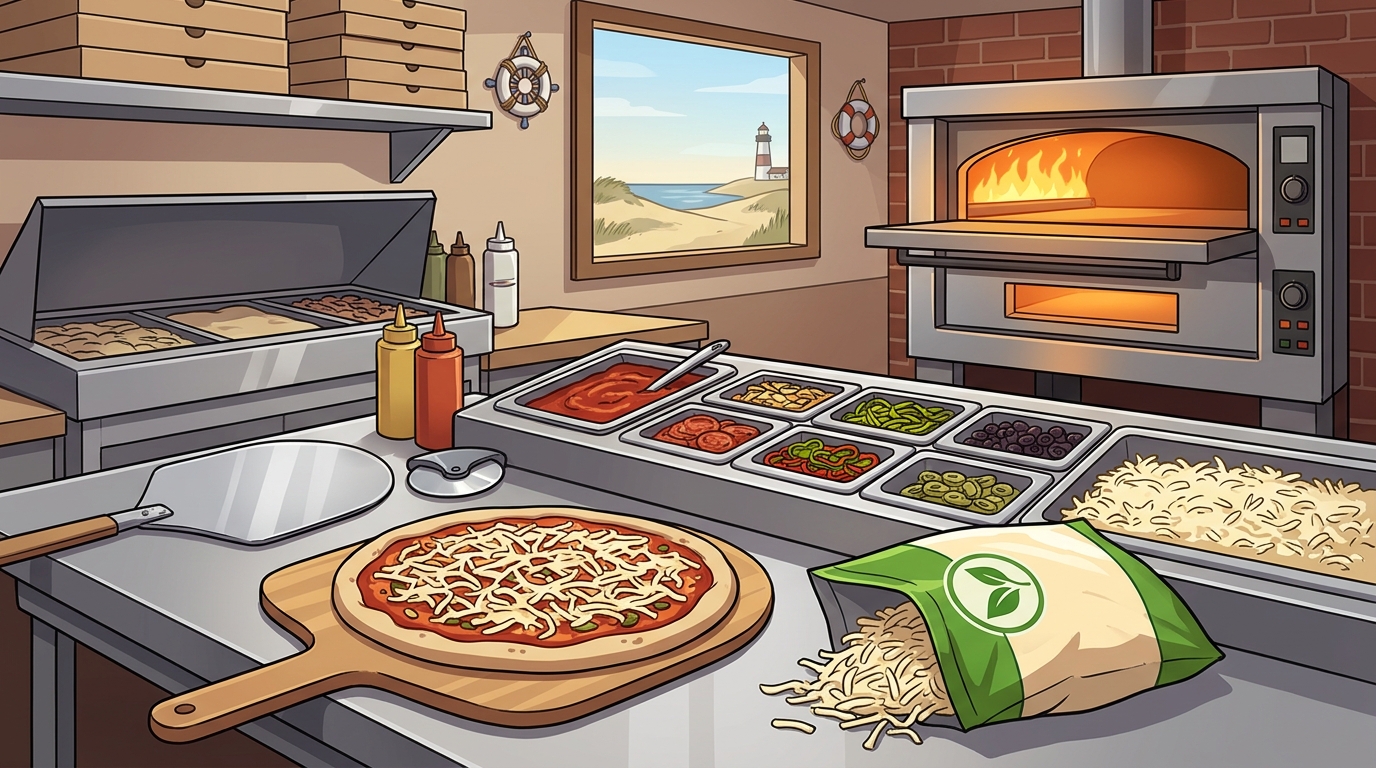
Commercial pizzerias near Cape Cod typically rely on the first category. These products are shelf-stable and easy for kitchen staff to handle. They come in pre-shredded bags that fit standard pizza ovens. This consistency allows restaurants to maintain speed and quality during busy service hours. You will rarely find fresh cashew cheese in a high-volume pizzeria because it requires refrigeration and has a shorter shelf life.
Melt and Texture Differences
Vegan cheese melt is a specific culinary behavior where plant-based fats and proteins coagulate to form a cohesive layer. Unlike dairy mozzarella, which melts due to casein proteins, vegan cheese melts due to the breakdown of starches and fats. This results in a slightly different texture. Dairy cheese tends to be stringy and elastic. Vegan cheese often becomes softer and less stretchy. Some brands achieve a good pull, while others simply soften into a creamy layer.
The browning process also differs. Dairy cheese browns through the Maillard reaction involving amino acids and sugars. Vegan cheese browns through caramelization of added sugars or starches. This can result in a darker, sometimes slightly bitter crust if the oven temperature is too high. Pizzerias adjust their baking times to account for this. You might notice that vegan pizzas bake slightly faster or slower than their dairy counterparts. This is a normal part of the cooking process for plant-based ingredients.
Flavor Profiles and Pairings
Plant-based cheese flavor is a distinct taste profile that varies by brand and base ingredient. Coconut oil-based cheeses often have a neutral, slightly sweet taste. This makes them versatile for pairing with tomato sauce and various toppings. Cashew-based cheeses tend to have a nuttier, richer flavor. This can complement heavier toppings like mushrooms or roasted vegetables. Tapioca-based cheeses are often mild and rely on added flavorings like nutritional yeast or salt to provide a cheesy taste.
When ordering, consider how the cheese interacts with your other toppings. A neutral vegan cheese works well with bold flavors like pepperoni alternatives or spicy sauces. A nuttier cheese pairs better with earthy toppings. The sauce also plays a role. Acidic tomato sauces can cut through the richness of plant-based fats. This balance is crucial for a satisfying meal. You may find that a vegan pizza tastes different from a dairy pizza, but it can still be delicious when the flavors are balanced correctly.
Tips for Ordering Vegan Pizza
Effective communication is key when ordering vegan pizza at a local pizzeria. Always ask the kitchen staff about their specific vegan cheese brand. This ensures you know exactly what you are getting. Some restaurants use a standard dairy cheese by default and only switch to vegan upon request. Others have a dedicated vegan menu. Clarifying this upfront prevents any surprises when your food arrives.
Check for cross-contamination if you have a severe allergy. While vegan cheese does not contain dairy, it is often prepared in the same kitchen. If you have a dairy allergy, ask about separate prep areas. For most vegans, cross-contamination is not a health risk, but it is a consideration for strict dietary preferences. You can also ask about the sauce. Some tomato sauces contain hidden dairy or honey. Confirming that the sauce is vegan ensures your entire pizza meets your dietary needs. This simple step saves time and ensures a pleasant dining experience.
Key Takeaways
- Coconut oil-based shreds are the most common vegan cheese in commercial pizzerias.
- Vegan cheese melts differently than dairy, often resulting in a softer texture.
- Browning behavior varies, with vegan cheese sometimes caramelizing faster.
- Flavor profiles range from neutral to nutty, depending on the base ingredient.
- Always ask the kitchen about the specific brand and preparation method.
- Confirm that the sauce and other toppings are also free of animal products.
Frequently Asked Questions
What is the most common vegan cheese used in pizzerias?
Coconut oil-based shreds are the most common. They are shelf-stable, cost-effective, and designed to mimic the melt of mozzarella. Most high-volume pizzerias use this type for their vegan options.
Does vegan cheese taste like dairy cheese?
It can, but it is not identical. The flavor depends on the brand and base ingredient. Some are neutral, while others have a nutty or slightly sweet taste. The texture is also different, often softer and less stretchy.
Can I order vegan pizza at Steve's Pizzeria & More?
You can check their current menu for specific vegan options. Steve's Pizzeria & More offers a variety of pizzas, and you can inquire about vegan cheese availability when you order.
Is vegan cheese healthy?
It depends on the specific product. Some vegan cheeses are high in saturated fat from coconut oil. Others are lower in fat but higher in carbohydrates. Check the nutritional label for specific details.
How should I store leftover vegan pizza?
Store it in the refrigerator in an airtight container. Vegan cheese can dry out faster than dairy cheese. Reheat it in the oven or toaster oven to restore some texture, though it may not melt as well as when first served.
Are there any vegan cheese brands that are particularly good for pizza?
Several brands are popular in the industry, but availability varies by restaurant. Ask the pizzeria which brand they use. This helps you know what to expect in terms of taste and texture.
Can I make vegan pizza at home?
Yes, you can use store-bought vegan shreds or make your own cashew-based cheese. Home ovens may not reach the high temperatures of commercial pizzerias, so the melt might be different. Experiment with different brands to find your favorite.
Conclusion
Understanding the types of vegan cheese used in pizzerias helps you make informed choices. Coconut oil-based shreds are the standard, offering a familiar melt and neutral flavor. Always communicate your dietary needs clearly to the kitchen staff. For a reliable dining experience in Falmouth, consider visiting Steve's Pizzeria & More to discuss your specific preferences with their team.